
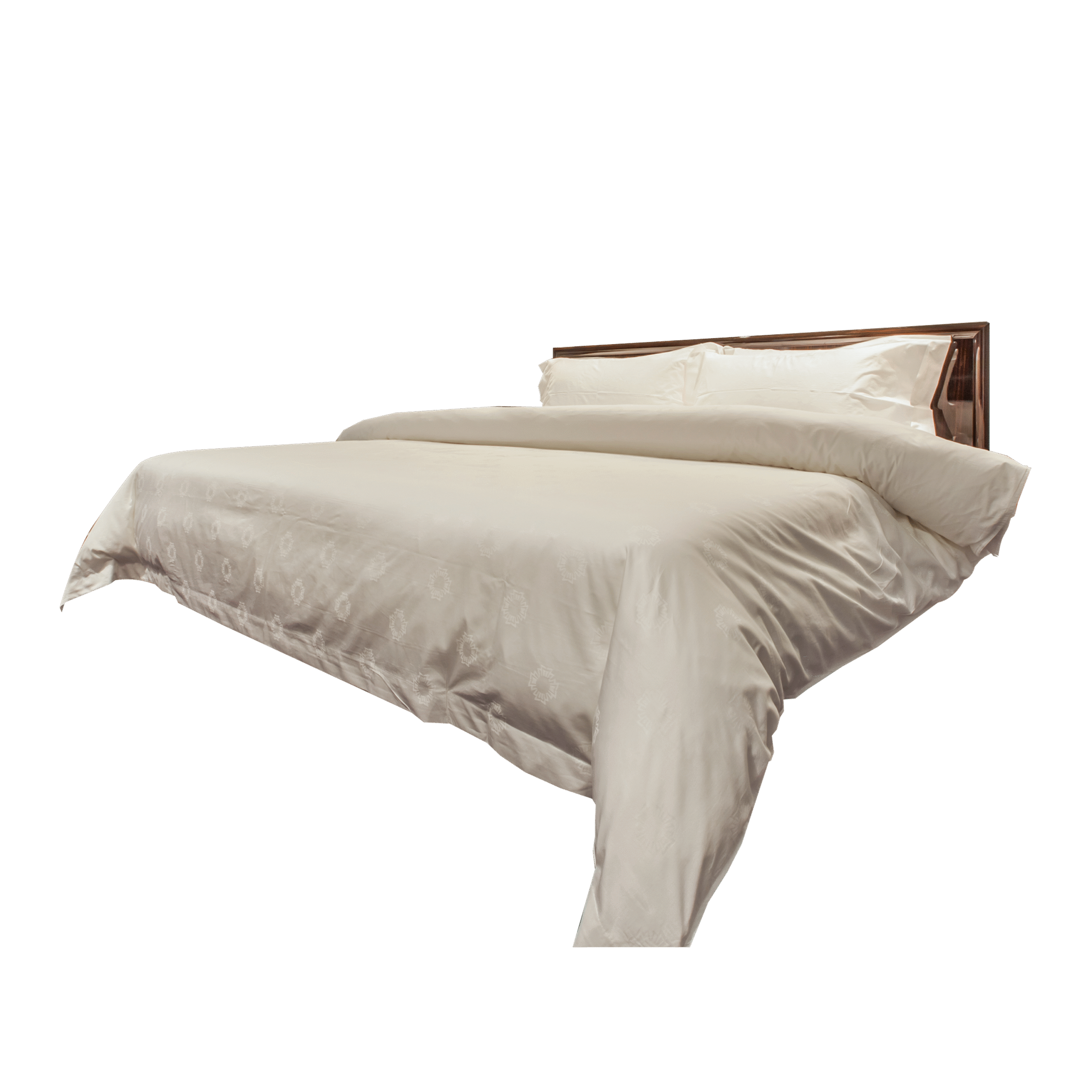
When it comes to creating a comfortable and stylish bedroom, bedsheets play a bigger role than most people realize. They’re not just a layer between you and your mattress—they influence your sleep quality, room aesthetic, and even your health. Whether you’re setting up your first home, upgrading your bedroom, or managing a hotel or Airbnb, choosing the right bedsheets can make all the difference.
In this ultimate guide, we’ll cover everything you need to know about bedsheets: materials, thread count, weave types, sizes, care tips, and how to choose the perfect sheet for your needs.
Why Bedsheets Matter More Than You Think
Let’s face it—we spend roughly a third of our lives sleeping. That’s thousands of hours each year spent lying on bedsheets. If you wouldn’t wear uncomfortable clothing all day, why settle for subpar sheets at night?
Here’s why investing in quality bedsheets is worth it:
- Better Sleep Quality: Soft, breathable sheets promote deeper, more restful sleep.
- Skin Health: Natural fabrics like cotton and bamboo are gentler on your skin.
- Aesthetic Appeal: Coordinated bedding elevates the entire look of your bedroom.
- Durability: High-quality sheets last longer and maintain their softness wash after wash.
Popular Bedsheet Materials (Pros and Cons)
Different materials offer different benefits. Here are the most common types:
1. Cotton
Cotton is by far the most popular material—and for good reason.
- Pros: Soft, breathable, durable, easy to maintain.
- Cons: Can wrinkle easily, quality varies by type (Egyptian, Pima, regular cotton).
Best for: Everyday use, all climates, families.
2. Egyptian Cotton
Often considered the gold standard of cotton sheets.
- Pros: Extremely soft, luxurious feel, very durable.
- Cons: Expensive; be cautious of fake labeling.
Best for: Luxury seekers, warm sleepers.
3. Bamboo
An eco-friendly and increasingly popular choice.
- Pros: Naturally hypoallergenic, moisture-wicking, silky texture.
- Cons: Can be pricey; not all bamboo sheets are 100% bamboo (some are blended).
Best for: Eco-conscious consumers, sensitive skin, hot sleepers.
4. Microfiber
A synthetic fabric made from finely woven fibers.
- Pros: Affordable, wrinkle-resistant, soft.
- Cons: Less breathable, may trap heat, not biodegradable.
Best for: Budget shoppers, guest rooms, winter use.
5. Linen
Made from the flax plant, linen is known for its durability and unique texture.
- Pros: Very breathable, cool in summer, becomes softer over time.
- Cons: Can feel rough initially, wrinkles easily, expensive.
Best for: Hot climates, summer use, rustic aesthetics.
Understanding Thread Count: Does It Really Matter?
Thread count refers to the number of horizontal and vertical threads per square inch of fabric. A higher thread count can indicate softness, but it’s not the only factor.
Ideal Thread Counts by Material:
- Cotton: 300–600 is optimal. Avoid sheets boasting 1000+ counts—they may be artificially inflated.
- Linen: Naturally has a lower thread count (80–150) but is still premium quality.
- Bamboo: 250–350 is excellent due to the natural softness of the fiber.
Remember: Material quality > thread count.
Weave Types: Percale vs. Sateen vs. Twill
Weave affects how the sheet feels and performs.
Percale
- Feel: Crisp and cool.
- Durability: High.
- Best for: Hot sleepers, summer months.
Sateen
- Feel: Silky and smooth with a slight sheen.
- Durability: Moderate.
- Best for: Cold climates, people who like a luxurious feel.
Twill
- Feel: Soft with a diagonal weave.
- Durability: Very strong.
- Best for: Long-term durability, cooler climates.
Choosing the Right Bedsheet Size
Make sure you choose the correct size to match your mattress. Common sizes include:
- Single (Twin): 36″ x 75″
- Twin XL: 36″ x 80″
- Full (Double): 54″ x 75″
- Queen: 60″ x 80″
- King: 76″ x 80″
- California King: 72″ x 84″
Tip: Always check the depth of your mattress and look for deep-pocket sheets if you use a thick mattress or topper.
Color and Design: Set the Mood of Your Bedroom
Color psychology plays a big role in how we feel in a room. Your bedsheets can help set the tone.
- White/Cream: Clean, minimalist, hotel-like.
- Grey: Modern, versatile, calming.
- Pastels: Soft and relaxing—perfect for spring or summer.
- Bold colors (navy, burgundy, emerald): Cozy, dramatic, luxurious.
- Patterns: Florals, geometrics, or stripes can add personality.
Pro Tip: Use neutral sheets as a base and rotate seasonal duvet covers or pillowcases for variety.
How to Care for Your Bedsheets (So They Last Longer)
Even the best sheets can lose their charm if not cared for properly.
Washing Tips:
- Wash new sheets before first use.
- Use mild detergent and avoid fabric softeners (can reduce breathability).
- Wash in cold or warm water—hot water can cause shrinkage.
- Avoid over-drying or high heat in the dryer.
Storage Tips:
- Store in a cool, dry place.
- Fold neatly or use breathable storage bags.
- Rotate sets to reduce wear.
Replacement Cycle:
Replace bedsheets every 1.5 to 2 years (or sooner if you notice thinning, pilling, or stains that won’t come out).
Eco-Friendly and Ethical Considerations
Sustainability is no longer just a trend—it’s a responsibility. Here’s how to shop smart:
- Look for certifications like OEKO-TEX®, GOTS (Global Organic Textile Standard), or BCI (Better Cotton Initiative).
- Buy fewer, higher-quality sheets that last longer.
- Consider materials like organic cotton, bamboo, or linen.
- Support local or ethical brands that value fair labor practices.
How Many Sets Do You Really Need?
Here’s a general rule of thumb for households:
- 2–3 sets per bed: One in use, one in the wash, one spare.
- If you live in a humid area or have kids/pets, you may need more.
Bedsheets for Every Season
Your sheet needs might change depending on the weather.
Summer:
- Light percale cotton
- Bamboo
- Linen
Winter:
- Sateen weave
- Flannel or brushed cotton
- Microfiber
Year-round:
- Egyptian or Pima cotton
- Blends with natural fibers
Common Bedsheet Myths—Debunked
Let’s clear up a few misconceptions:
❌ Higher thread count = better quality
✔️ Not always! A 400-thread-count Egyptian cotton sheet can be far superior to a 1000-thread-count generic cotton.
❌ All “Egyptian Cotton” sheets are authentic
✔️ Look for certifications. Many brands misuse the label.
❌ Bamboo sheets are stiff
✔️ High-quality bamboo sheets are extremely soft—comparable to silk.
❌ You don’t need to wash sheets often
✔️ You should wash your sheets at least once a week.
Conclusion: What Makes the Perfect Bedsheet?
The “perfect” bedsheet depends on your personal needs—but here’s a quick checklist to guide your purchase:
✅ Material: Choose one that suits your climate and skin sensitivity.
✅ Thread Count: Go for quality over high numbers.
✅ Weave: Decide between crisp (percale) or silky (sateen).
✅ Fit: Match the size and depth of your mattress.
✅ Style: Pick colors and patterns that complement your bedroom.
✅ Sustainability: Support eco-conscious brands when possible.
Investing in good sheets isn’t just about luxury—it’s about health, sleep, and self-care. So go ahead and give your bedroom the upgrade it deserves!
Looking to Buy High-Quality Bedsheets?
At [Your Bedsheet Business Name], we offer premium, affordable, and ethically made bedsheets in a wide range of materials and designs. Whether you’re looking for organic cotton, bamboo, or hotel-style sateen sheets, we’ve got something for every sleeper.
🛒 Browse Our Collection Now
🛌 Free Shipping | 🔁 Easy Returns | 🌿 Sustainable Materials
Have Questions? We’re Here to Help!
Drop your questions in the comments or reach out to our support team. Sleep better—starting tonight.
Leave a Reply